Iran’s Entrepreneurial Spirit

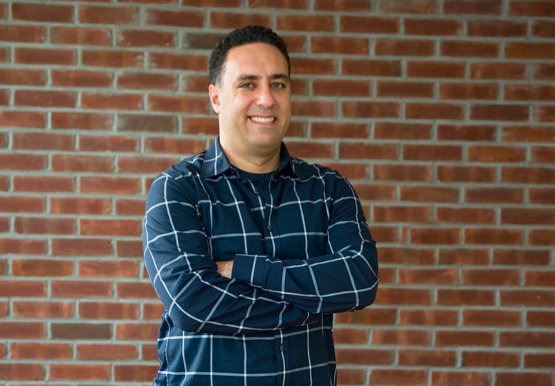
Roshan Cultural Heritage Institute is delighted to announce Iran’s Entrepreneurial Spirit, a lecture whereby Shahab Kaviani shares his perspective on the importance of strong founding teams when building new businesses and the unique traits many Iranian entrepreneurs’ possess. Shahab recently visited Tehran where he presented at the Web & Mobile conference and will share his observations and why he believes Iran is poised for an economic revival fueled by innovation and entrepreneurship.

Wednesday, April 15, 2015 | 12:00 – 1:00 p.m. | St. Mary’s Hall | University of Maryland.

Hamid Rahmanian presents Zahhak: The Legend of the Serpent King at Shangri La

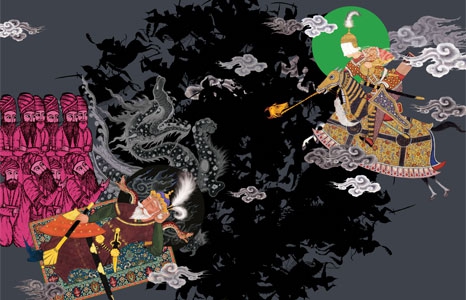
Roshan Cultural Heritage Institute is delighted to announce Zahhak: The Legend of the Serpent King, a shadow puppet performance of an epic tale from Hamid Rahmanian’s bestselling illustrated book Shahnameh: The Epic of the Persian Kings. This exciting shadow play featuring new puppets created by Rahmanian recounts the story of the misguided Prince Zahhak, who is convinced by the devil to overthrow his crowned father and usurp the throne. As a result of this evil deed, he is transformed into the treacherous and oppressive Serpent King. After his 1,000-year reign of terror, a valiant man named Feraydun gains the strength and army to defeat the unjust king. This original production is produced and narrated by Maseeh Ganjali, featuring puppeteers and musical accompaniment.

Shahnameh: The Epic of the Persian Kings

Roshan Cultural Heritage Institute is delighted to support Shahnameh:
The Epic of the Persian Kings, an exhibition of Rahmanian’s innovative illustrations of the Shahnameh on view at the Honolulu Museum of Art. Consisting of some 50,000 verses, the Shahnameh was composed by the poet Ferdowsi in the late 10th to early 11th centuries, but its origins trace back much earlier, and it follows the history of the Persian empire from its mythical origins to the end of the Sassanian period in the 7th century.

In 2013, after thousands of hours of work over more than five years, Rahmanian published
a critically acclaimed newly illustrated edition of the Shahnameh, reviving once again its significance for a contemporary audience. Intended to make the epic accessible to a new generation of readers, the bold, dynamic illustrations seamlessly update the traditional aesthetics of historic Shahnameh imagery. Rahmanian brilliantly took 15th- to 19th-century Iranian, Mughal Indian, and Ottoman miniature paintings as his source material, transforming them through digital editing into an entirely novel way of illustrating the text.


The Art of Book: Lithographic Printing in Iran

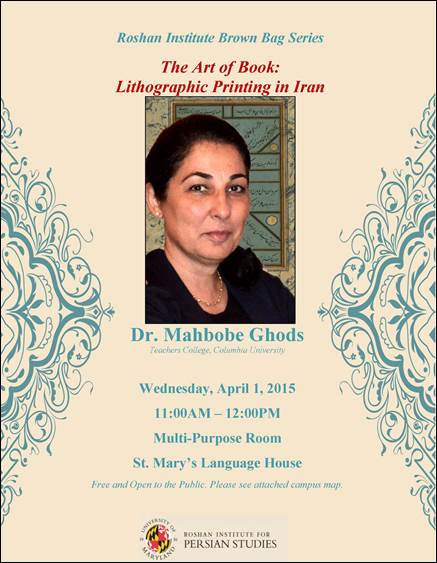
Roshan Cultural Heritage Institute is pleased to announce The Art of Book: Lithographic
Printing in Iran, a lecture presented by Dr. Mahbobe and hosted by Roshan Institute for Persian Studies at the University of Maryland.

Dr. Mahbobe Ghods holds an EdD in Art Education from Teachers College, Columbia University, and an MFA and a BA from Lehman College.

She teaches printmaking courses at Teachers College, Columbia University. Ghods current research involves the effects of lithographic printing on the book art in Iran. Dr. Ghods is the recipient of several fellowships and awards, and has presented her research at
CAA, NAEA, ISIS and INSEA at the University of Heidelberg.

Mahbobe is also an artist and her work has been exhibited nationally and internationally.
She was the primary force for an international installation called Making Invisible Visible which has been exhibited in Troy, New York, Delft, the Netherlands, and Berlin, Germany as a tri-city art exhibition with a final showing at Macy Gallery, Teachers College, Columbia University in 2010-2011 and will exhibit her new art works in Montreal, Canada spring 2015.

Wednesday, April 1, 2015 | 11:00 a.m. – 12:00 p.m. | St. Mary’s Hall | University of Maryland.

Louvre Museum: A Day in Persian Art, Guided Tours

Roshan Cultural Heritage Institute is delighted to announce that the Louvre Museum will host another “Day in Persian Art” event on Monday, March 23, 2015.

With the support of the Elahé Omidyar Mir-Djalali Fund, and as part of the Woman’s Week and Noruz celebration, the Louvre is hosting guided tour events for Persian art.

For more information and reservations, please contact:
Fabienne Martet
Service démocratisation culturelle, et action territoriale
fabienne.martet@louvre.fr

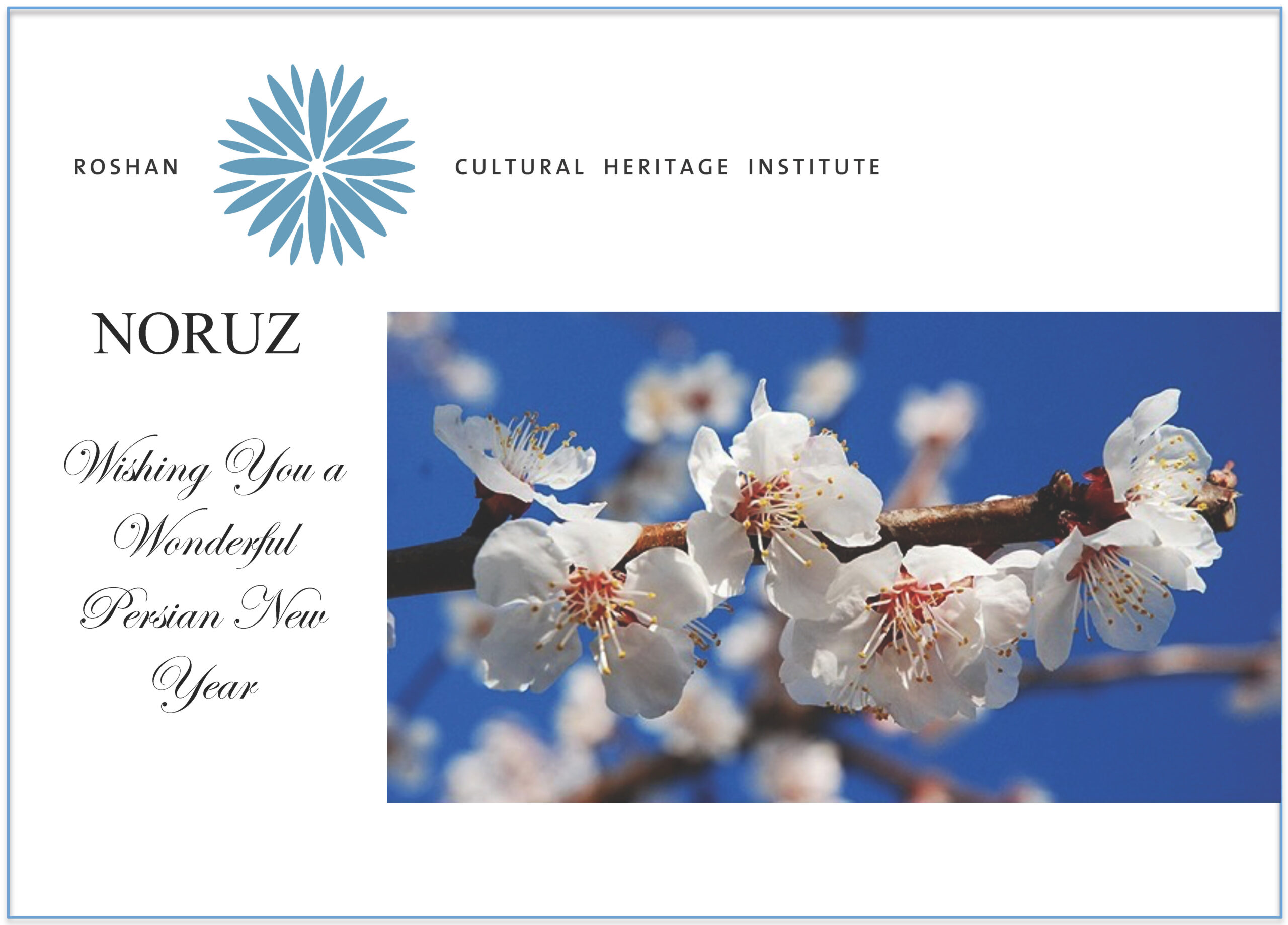
Noruz Mobarak from Roshan Cultural Heritage Institute!

This most cherished Persian celebration goes back at least 3000 years and is about “Celebrating Life renewal in health and harmony with nature”

Noruz – literally “New Day” – is the Persian New Year and symbolizes renewal and rebirth. The celebration of Noruz dates back several thousand years, to the time of the Achaemenids. Noruz starts at the exact instant of the Vernal Equinox, which occurs each year around the 21st of March, the first day of spring. This most important Iranian holiday is a time for family and friends to gather together and is marked with a myriad of activities affecting everything from preparations and celebrations to food, clothing, gift giving, charity, and many other social and family activities.

Haftsin (Haft Seen) is the spread, around which the Family gathers to celebrate Noruz. Iranians take pride in putting together an attractive and elaborate spread to represent both spiritual and worldly symbols promising a happy start of the New Year. The Persian word Haft means seven and Sin refers to the sound /S/ in the language. Usually a nice embroidered fabric is used as the foundation of the spread. On the spread seven specific items starting with the sound /S/ are displayed. The set is prepared a day or two before Noruz and given a place of honor in the house to remain 13 days following Noruz. Additional items are also placed on the Haftsin that will signify renewal, life, happiness, spiritual purity, prosperity, fertility, growth, good health and all things one desires for the New Year. This celebration is one of hope, promise and good fortune to enjoy and share with friends and family.

List of items for Haftsin

# Name Definition Symbolism
1 Sabzeh Spring Sprouts Growth, prosperity and togetherness
2 Senjed Dry fruit of lotus, “mountain-ash” Tart and sweet tastes in life
3 Seeb Apple The oldest beneficial fruit
4 Samanu Wheat Pudding A sweet prepared with the extract of young growth of wheat
5 Serkeh Vinegar An astringent agent, medicinal
6 Somagh Crushed Sumac Berries The oldest beneficial condiment derived from a plant
7 Seer Garlic The oldest bulb with medicinal Value
8 Sekkeh Coins, (Silver and Gold) Permanence and prosperity
9 Sombol Hyacinth Flower Life development: flower from the bulb to the roots
10 Mahi Gold fish Life energy
11 Ayne A Mirror Purity and clarity
12 Sham’ Two Candelabras Spiritual light and warmth
13 Tokhm-e Morgh Decorated Eggs Life in potential
14 Scriptures Koran, Bible, Torah, etc. Blessings and faith
15 Sepand, Esfand Wild Rue Incense against the evil eye that helps the lungs function

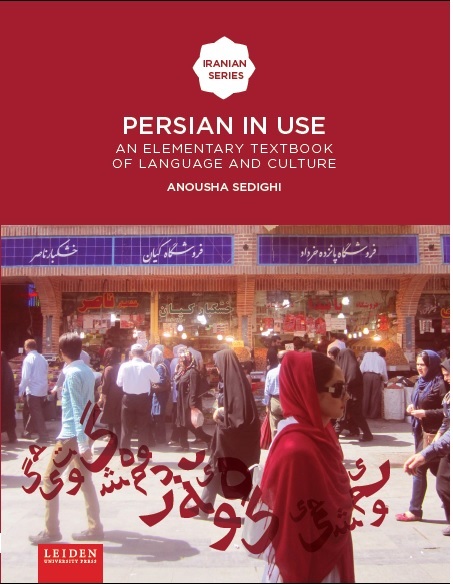
Persian in Use: An Elementary Textbook of Language and Culture

Former Roshan Cultural Heritage Institute Fellow, Dr. Anousha Sedighi recently published Persian in Use: An Elementary Textbook of Language and Culture, an elementary textbook of Language and Culture designed for first-year Persian language students at the college level.
Persian in Use is a peer-reviewed textbook published by Leiden University Press as part of their Iranian Studies Series.

Publication includes over 200 illustrations and images. Persian in Use is an elementary Persian language and culture textbook designed for first-year Persian language students at college level. It offers a thematically organized and integrative approach to help students achieve proficiency in Persian language and culture. This publication is organized around high-frequency topics and provides a clear set of communication goals for each lesson.

Dr. Anousha Sedighi is Associate Professor of Persian and the coordinator of the Persian programs at Portland State University. She serves as President of the American Association of Teachers of Persian (AATP).

Read more here

The Qur’an of the Historians

Roshan Cultural Heritage Institute is proud to announce its support to Professor Mohammad-Ali Amir-Moezzi for the publication of the Qur’an of the Historians. This project will compliment his earlier publication: Dictionary of the Qur’an, another project supported by Roshan Cultural Heritage Institute in 2007. The latter project includes new research contributed by multiple scholars and specialists from around the world.

The Qur’an of the Historians is distinct for its objective approaches to the subject, which includes critical research, based on historical and philological study of multiple Islamic sources available. The objective of the Qur’an of the Historians is to provide a general audience with a clear, accessible, and at the same time scientific rigorous research.

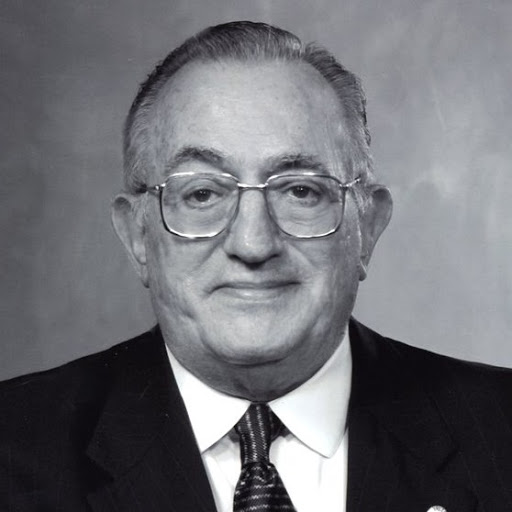
The Sad News of Dean James E. Alatis’ Passing, Emeritus Vice President

Roshan Cultural Heritage Institute notes with deep regrets the passing of Dean James E. Alatis on February 28, 2015, at the age of 88. Dean Alatis provided valuable inspiration and guidance to the Institute, as a member of the Board of Directors and Vice President from 2000 and Emeritus Vice President since 2013.

Doctor Alatis was a brilliant scholar and administrator. He was associated with Georgetown University for nearly a half century. At Georgetown, he most recently served as Dean Emeritus of the School of Languages and Linguistics, Distinguished Professor of Linguistics and Modern Greek and Senior Advisor to the Dean of Georgetown College for International Language Programs and Research. Dean Alatis was also the Founding Father and Executive Director of Teachers of English to Speakers of Other Languages (TESOL) for over 20 years.

The Alatis family will receive friends on Wednesday, March 4, 2015 and Thursday, March 5, 2015 from 4 to 8 p.m. (with a Trisagion Service at 7 p.m. Thursday) at Everly Wheatley Funeral Home, 1500 W. Braddock Rd. Alexandria, VA 22302. A Funeral Service will be held on Friday, March 6, 2015, at 11:00 AM at St. Katherine’s Greek Orthodox Church, 3149 Glen Carlyn Rd, Falls Church, VA 22041. Interment will follow at Columbia Gardens Cemetery.

Dean Alatis will be sorely missed by countless loved ones, friends and admirers. In lieu of flowers, memorial donations may be made to the TESOL AWARD FUND, with instructions found at www.tesol.org.

Roshan Institute for Persian Studies announces Graduate Fellowships and Undergraduate Scholarships for Excellence in Persian Studies

Starting spring 2015, new Graduate Fellowships and Undergraduate Scholarships will be available to students in various departments and programs at the University of Maryland whose work in areas related to Persian Studies exhibits exceptional standards of academic excellence. These new and rigorous Fellowships and Scholarships, made available to Roshan Institute for Persian Studies by a generous grant from Roshan Cultural Heritage Institute, open unprecedented range of possibilities for Persian Studies at the University of Maryland, College Park.

Roshan Institute Fellowships and Scholarships for Excellence in Persian Studies are available at the University of Maryland, College Park. Students’ Persian-related work can cover a wide range of disciplinary areas including Comparative Literature, History, Women’s Studies, and more.